Learn more
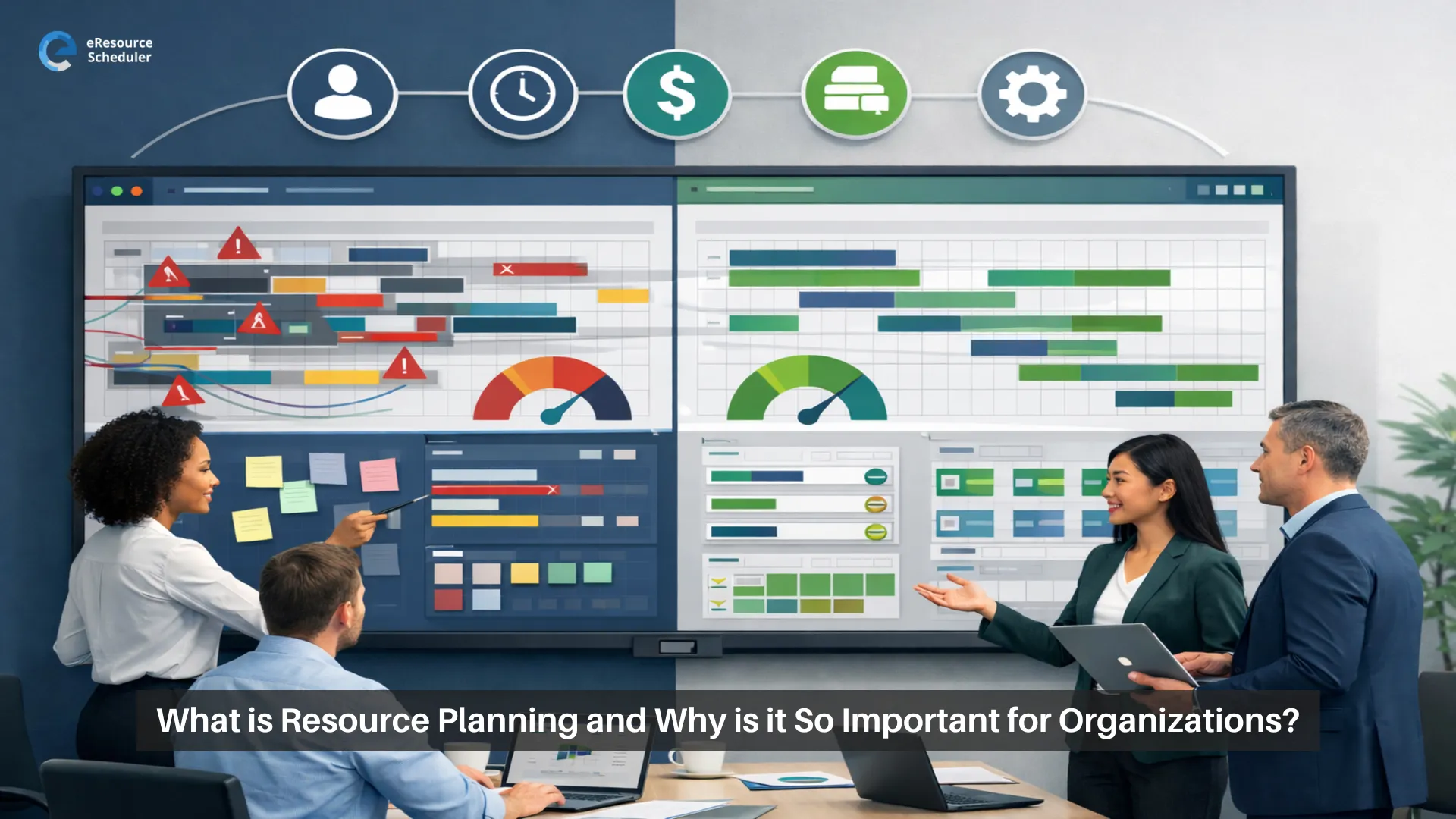
Let’s start with a hard truth. Most teams are not short on talent. They are short on knowing who is doing what and why everything suddenly feels like a fire drill. You know that moment when someone says “Wait, I thought YOU were handling that” and the room goes silent. Yeah. That is what poor planning looks like in real time.
Resource planning is basically the cheat code everyone pretends they do but rarely do well. It is the difference between running your week like a pro or hoping the universe magically aligns your people with the right work. It maps your team, skills, time, tools, deadlines, everything. No psychic powers needed.
And sure, spreadsheets can hold the fort for a while. Until they don’t. That is usually when teams switch to proper resource planning software because the only thing worse than a missed deadline is realizing it was avoidable.
If work feels messy, resource planning is the glow up your operations have been waiting for.
Resource planning is your pre-work reality check. It is the moment you stop guessing and actually map out what a project needs to run smoothly. People, skills, equipment, timelines, responsibilities. Everything that keeps work moving without last minute surprises.
Here is the simple truth. Planning figures out what the project needs while scheduling decides when everything actually happens. One maps the resources and the other maps the timing. They only work when they work together. Treat them as a package deal or the project starts wobbling before it even gets going.
A clean resource plan usually includes:
Teams that invest a little time here avoid the painful scramble later. Teams that skip this step spend the rest of the project wondering why nothing lines up.
Resource planning is not a nice to have. It is the quiet system that keeps teams sane, deadlines realistic, and decisions grounded in reality. Here is how it turns everyday work into something smoother.
Every team knows the pattern. Someone is drowning in tasks while someone else is still waiting for theirs. That imbalance usually comes from planning based on hope instead of real capacity.
A solid resource plan helps you see:
This is how resource planning in project management stops accidental overload and builds a week that feels intentional instead of chaotic.
Scaling becomes stressful only when teams realise it too late. Resource planning gives you real signals long before things get tight.
You can clearly spot:
This is where the importance of resource planning becomes obvious. You get enough time to hire, cross train, or outsource before pressure hits your deadlines.
Sometimes the problem is not workload. It is missing roles, missing skills, or recurring bottlenecks your team keeps tripping over.
A good resource planning process highlights:
With this clarity, your business decisions move from guesswork to actual strategy.
Teams work better when expectations are clear and aligned. Resource planning gives everyone that shared map.
It helps your people:
ClearCompany found that 97 percent of employees feel more productive when they know their goals. Planning gives them that clarity, especially in remote or hybrid setups where communication gets tricky fast.
Small issues grow quietly until they turn into real trouble. With proper planning, you see the warning signs early instead of reacting at the last minute.
A good plan shows you:
This is where resource planning in project management turns into your secret advantage. You fix problems before clients even notice they exist.
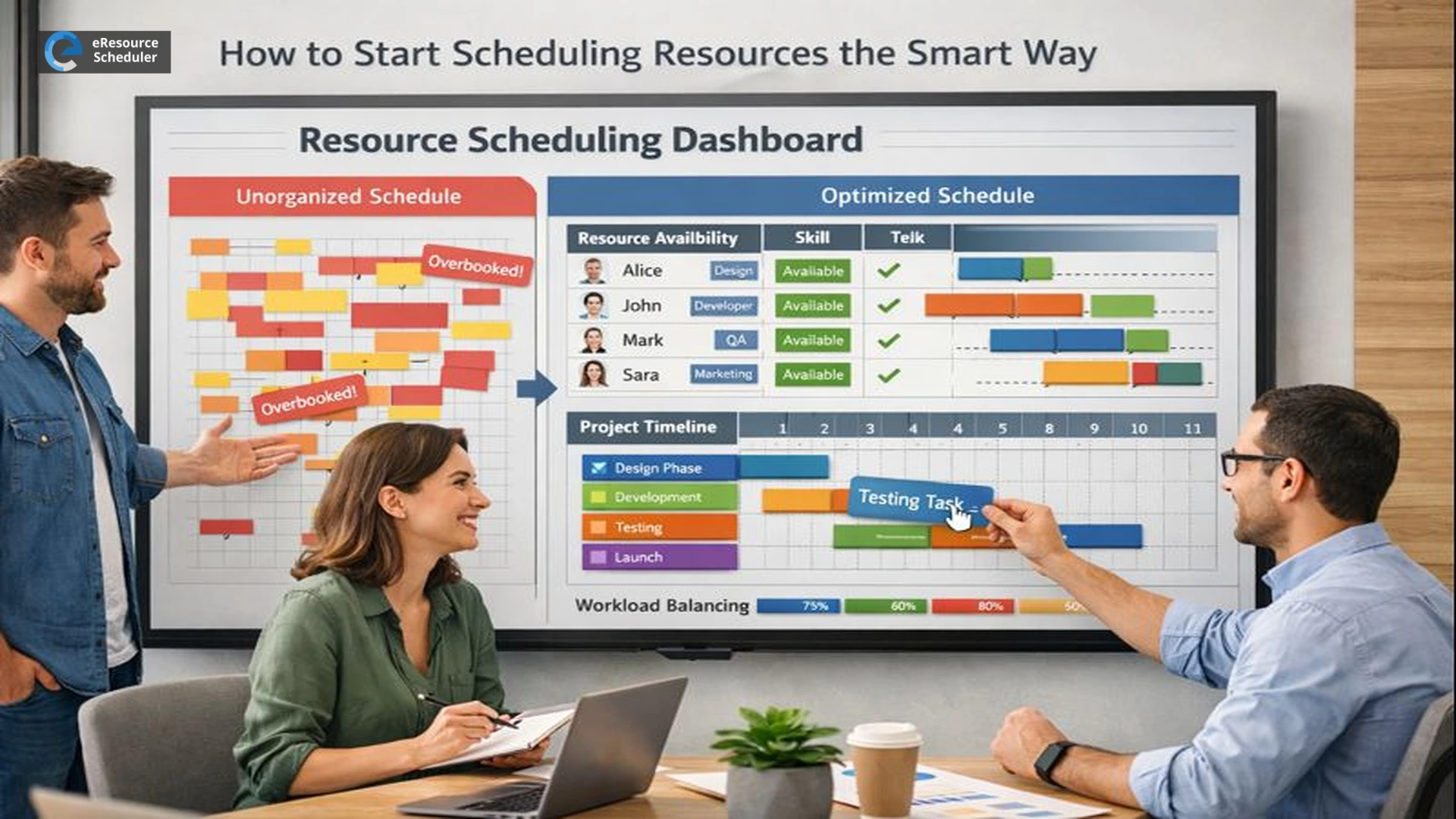
Once you understand what your projects need, scheduling becomes the part where everything actually takes shape. It is where you assign real people to real tasks and finally see how timelines, skills and availability line up. This is what keeps work moving without the usual confusion.
Spreadsheets can handle basic setups, but they fall apart the moment your team grows or your projects start overlapping. Too many tabs, too many edits, and too many chances to miss something important. Smart teams shift to tools that show availability, workload and updates in one clean view. When you pair this with practices like resource capacity planning, you get a realistic picture of what your team can handle before the cracks show.
The earlier you move to a proper system, the easier it is to build solid scheduling habits. Updates become smoother, changes feel manageable and your team finally stops operating on guesswork.
Resource planning works best when it becomes part of how your team thinks, not something you only fix when things fall apart. A quick look at who is available, what is coming next and where your priorities truly sit can save hours of confusion. It keeps work steady, timelines honest and decisions grounded in reality instead of guesswork.
Teams feel the difference fast. Workloads stop feeling lopsided. Deadlines stop wobbling. Projects stop slipping for reasons no one can explain. When planning becomes a rhythm, everything else starts falling into place with less stress and fewer surprises.
Plug in your current tasks and watch how quickly the gaps and wins show up. Start the 14 days FREE trial and see what your team has been trying to tell you.
1. What is resource planning in simple words?
Resource planning simply means knowing what your project needs before the work starts. It is the process of matching people, skills, time and tools to the tasks ahead so you are not guessing who should do what at the last minute.
2. Why is resource planning important for organizations?
It keeps teams from overworking, prevents work from piling up on the wrong people and helps leaders make smarter decisions. Many companies struggle because they plan too late. The importance of resource planning shows up when projects finally start feeling predictable instead of reactive.
3. How does resource planning work in project management?
It works by checking your team’s real capacity, mapping tasks to the right people and making sure deadlines and workloads stay realistic. This is why resource planning in project management helps teams stay balanced and avoid surprise delays.
4. What is the first step in the resource planning process?
The first step is understanding what the project needs. You look at required skills, people, time frames and any tools that support the work. This simple start makes the entire resource planning process clearer and easier to manage.
5. What happens when organizations do not plan their resources?
Teams get overloaded, projects slow down and decision makers lose visibility into what is actually happening. Without consistent resource planning for organizations, it becomes very difficult to manage priorities or deliver work smoothly.


Plan Smarter. Schedule Faster. For Free.
Join thousands already using eResource Scheduler to align teams, time, and tasks seamlessly.
 ALL FEATURES INCLUDED